What makes Spanish 21 different
Spanish 21 uses the Spanish deck: a standard pack with all four tens removed, leaving 48 cards. The jacks, queens and kings stay, so you still have face cards, but the missing tens change the odds enough that traditional blackjack strategy no longer fits. To make up for the harder deck, Spanish 21 hands the player a long list of favourable rules and bonus payouts you never see in blackjack. Understanding those unique rules is the foundation of correct Spanish 21 strategy.
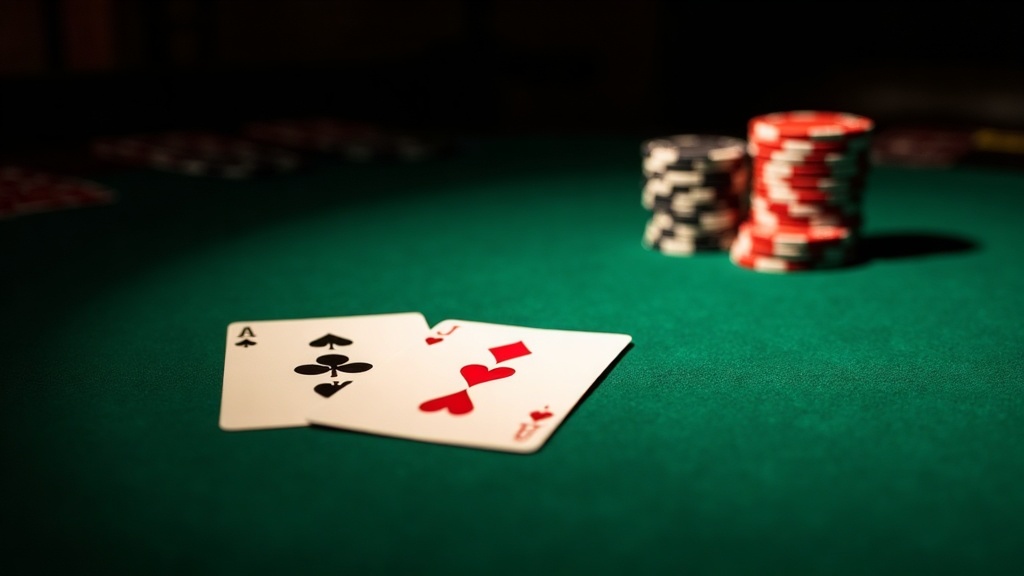
The unique rules and player options
The rules that separate Spanish 21 from blackjack — and drive its strategy — are almost all in the player's favour:
- Player 21 always wins — your 21 beats the dealer's 21, and a player blackjack always beats a dealer blackjack.
- Late surrender is offered, and you can double down on any number of cards.
- Double-down rescue — after doubling you can surrender the doubled hand and reclaim your original bet if the draw goes bad. This option has no equivalent in blackjack.
- Re-splitting and re-doubling are generous, including splitting and often hitting or doubling split aces.
Those extra options are the reason Spanish 21 can offer such rich bonuses while keeping a low house edge — they let a skilled player claw back much of what the missing tens take away.
Spanish 21 bonus pays
On top of the rules, Spanish 21 pays fixed bonuses for certain 21s, following these variations:
| Hand | Pays |
|---|---|
| Five-card 21 | 3:2 |
| Six-card 21 | 2:1 |
| Seven-or-more-card 21 | 3:1 |
| 6-7-8 or 7-7-7 mixed suits | 3:2 |
| 6-7-8 or 7-7-7 suited | 2:1 |
| 6-7-8 or 7-7-7 spaded (all spades) | 3:1 |
| Suited 7-7-7 vs dealer 7 (Super Bonus) | $1,000–$5,000 |
These bonuses are not just decoration — they change the strategy. Because a five-, six- or seven-card 21 pays extra, correct Spanish 21 play chases a multi-card 21 in spots where blackjack would tell you to stand.
How Spanish 21 strategy differs from blackjack
Start from a solid blackjack base and then adjust. Our sister site's free blackjack strategy chart generator at blackjackchartmaker.com builds the exact basic-strategy chart for any blackjack rule set — use it to lock in the fundamentals of hitting, standing, doubling and splitting. Then apply the Spanish 21 differences:
- Fewer tens change the hitting and doubling lines. With no ten-value cards but the same aces, some hands that stand in blackjack are hit or doubled in Spanish 21, because you bust less often and make 21 more easily.
- Chase the multi-card bonuses. When you already hold four cards and a low total, drawing toward a five-card 21 is often correct even when the plain blackjack chart would stand.
- Use the rescue and surrender options. Double-down rescue and late surrender are strategy tools, not safety nets — knowing exactly when to use them is worth a meaningful slice of the edge.
Because these adjustments depend on the precise table rules, serious players use a dedicated Spanish 21 basic-strategy chart rather than a blackjack chart. Treat the blackjack chart as your starting point and layer the Spanish 21 rules on top.
Spanish 21 house edge
Played with correct strategy, Spanish 21 is one of the lower-edge games on the floor. When the dealer stands on soft 17 and redoubling is allowed, the house edge is about 0.40%. When the dealer hits soft 17, it rises to roughly 0.78%. Either version rewards accurate play: the generous rules only pay off if you actually use the surrender, rescue and doubling options at the right moments. For a complete house-edge comparison across casino games, see our house edge breakdowns, and for the classic game this variant is built on, start with the blackjack chart maker.
Frequently asked questions
How does Spanish 21 strategy differ from blackjack?
Spanish 21 uses a 48-card Spanish deck with the tens removed, so the basic-strategy chart is different from blackjack: with fewer ten-value cards you hit and double in some spots where blackjack says stand, and the multi-card 21 bonuses reward chasing a 21 rather than standing on stiff totals.
What is the house edge in Spanish 21?
With correct Spanish 21 strategy the house edge is about 0.40% when the dealer stands on soft 17 and redoubling is allowed, rising to roughly 0.78% when the dealer hits soft 17.
What are the Spanish 21 bonuses?
Spanish 21 pays bonuses for multi-card 21s (a five-card 21 pays 3:2, six-card 2:1, seven-or-more-card 3:1) and for 6-7-8 and 7-7-7 hands, with a Super Bonus for a suited 7-7-7 against a dealer seven.
Bonus pays and rules vary by casino; confirm the paytable and whether the dealer hits soft 17 before you sit down, as both affect correct Spanish 21 strategy and the house edge. Educational content about probability, not gambling advice.